Your records live where you live.
KISOP is one vision for the whole world, and it is built one country at a time, on purpose. This page explains what that means in practice: your archive stays in your custody, so your records stay under the laws of the place you actually live. Every place gets its own edition — its own words, its own law, its own people — on one shared foundation.
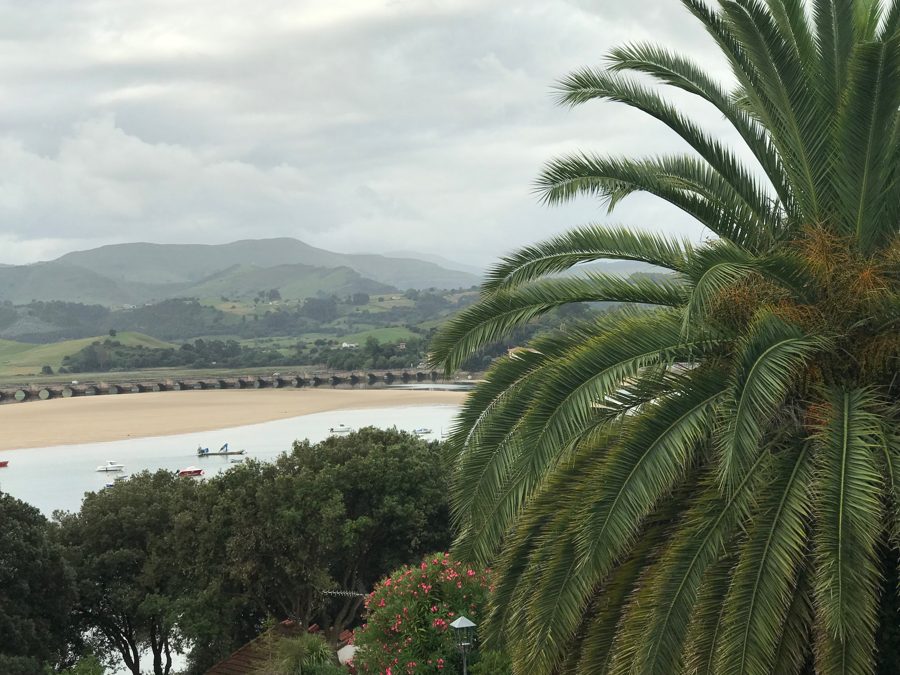
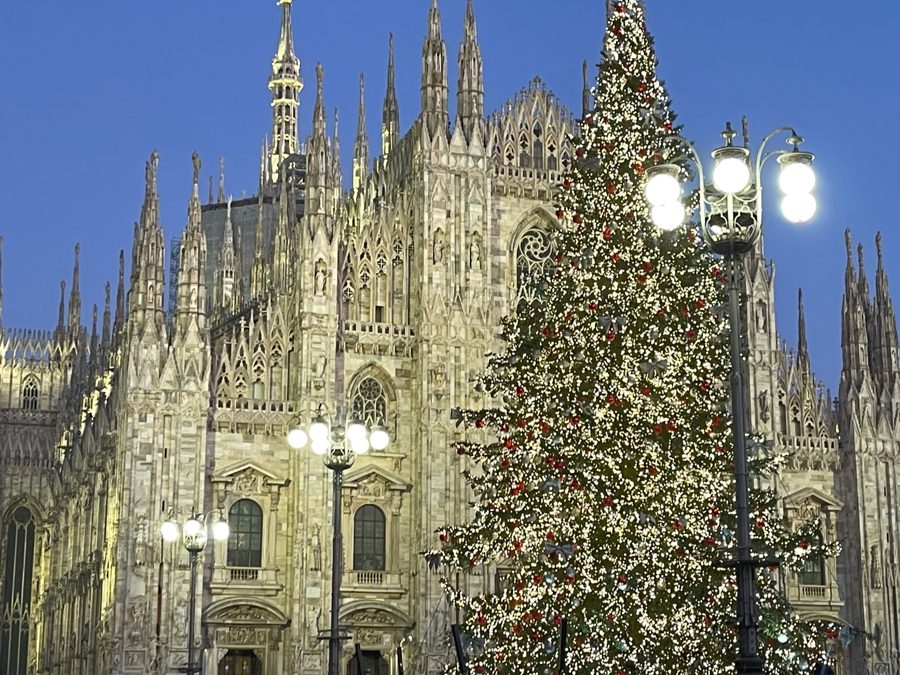
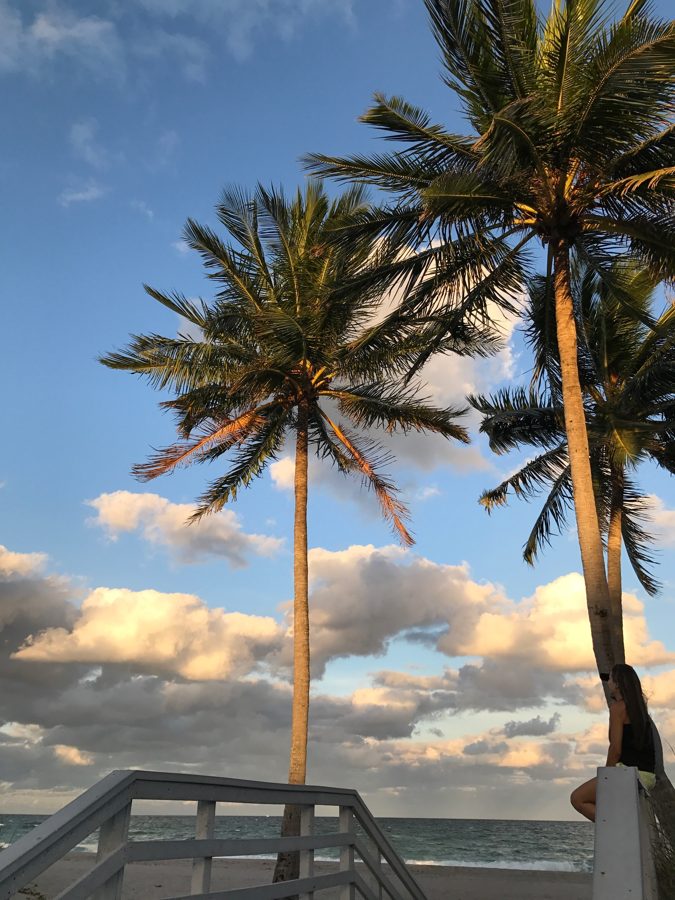
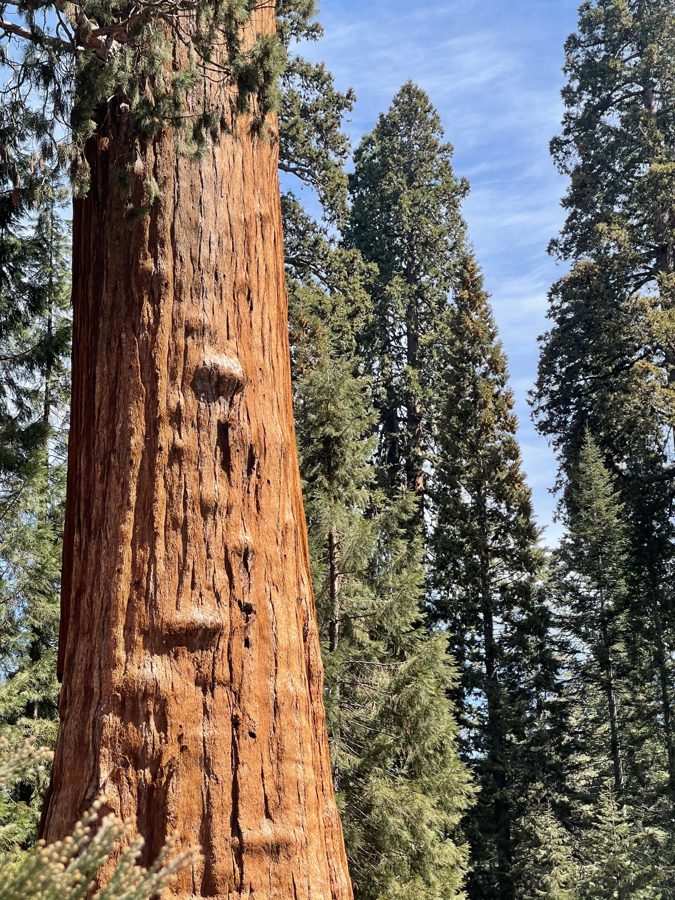
Cantabria · Milan · Florida · the Sierra. Every place gets its own edition.
What it costs to promise this the other way
In January 2026, the largest cloud company in the world opened a second cloud, built entirely in Europe — new data centers, more than €7.8 billion of them, operated by a separate local company with its own management, its own advisory board, and staff drawn from the place it serves, physically and legally apart from the company's other machines. The other largest providers are making versions of the same promise. These are careful, serious engineering projects, and we read them with respect.
A company that already owns some of the best computers on earth concluded it had to pour new concrete an ocean away, because the people and institutions it serves now require something its architecture could not otherwise say: a record kept about a life here is governed by the laws here. That requirement is real enough to move buildings. It is one of the clearest facts in the industry right now. Politics did not create it. It is people, hospitals, schools, and town governments asking that their information answer to the law of their own place.
This is the part this project takes personally: where information sits decides, in practice, whose laws protect it. When records about you live on a company's machines, the laws that reach those records are, first of all, the laws that reach the company. An architecture built on collecting must answer that with more buildings — a new set of walls for every place, at a price only the world's largest companies can pay.
Custody answers it with none.
A right older than the internet
None of this begins with technology. In 1948, nearly every country on earth signed the Universal Declaration of Human Rights. Its Article 12 counts a person's private life (home, family, correspondence) as ground the whole world agreed to protect. Since then, each country has carried that idea into its own law in its own way: constitutions, medical-records acts, data-protection codes, patients' rights. The laws differ, and the differences are legitimate. They are each place deciding, in its own words, how a person's private life is honored there.
KISOP's position on those differences is simple and deliberately unexciting: we do not rank legal systems, we do not shop between them, and we do not treat any place's law as an obstacle to route around. We treat a country's law the way we treat a country's language — something to learn, respect, and render faithfully. The Global Registry gives every language its own column and no rank; the first column is simply the first one registered. The same respect, paid to law, is a jurisdiction page: one place's rules, cited to primary sources, dated, and verified by named professionals — the plan for which lives on the fraud, waste, and abuse page, where one of its two standing rules is jurisdiction is first-class: duties attach to where you live. Our headquarters has no say in it.
Custody answers residency
One picture: you and your archive, at home, under the laws of your own place. Nothing needs to be moved there, because nothing ever left.
Your archive is files in your own keeping: on your device, in your house, in a place of your own. Once that is true, no vendor sells you residency as a service tier. Residency simply follows where you keep your files. Your records are where you are, so the law that governs your home governs them. There is no cross-border transfer to disclose, because there is no transfer. Nobody has to promise you that your records won't leave the country. They don't travel unless you carry them.
We hold the same line on this website, at its own small scale. It has no accounts and no analytics, and the tools on it never send what you type, so the most protective sentence in our Privacy draft stays structural: we cannot hand over what we never receive. The same design that protects you from us is the design that keeps your records under your own laws.
One foundation, many editions
"Global" here means one shared foundation, and a faithful edition for each place, the way a language has one grammar and many voices. The split is deliberate:
Shared by everyone
- The architecture: your archive, your custody, one consent gate, every access asked and logged.
- The drawn symbols — the zeroth language, for when reading is too much.
- The permanent numbers under the words, so meaning survives translation.
- The protocols and their tests, published and checkable.
- Open knowledge: what's funded belongs to everyone, in every place, forever.
Belonging to each place
- The words — each language its own registry column, verified aloud by people who live in it.
- The law — a jurisdiction page for each place: cited, dated, and verified-as-of. The page is never silently wrong.
- The places themselves — a center page for every country and every U.S. state, asking locals what its areas should be.
- The safety wording — sentences that protect people are written in that place's own voice, by a person. They are never machine-translated into consequence.
- The people — verifiers, professionals, and helpers the community already trusts.
Language was the first half of this respect, and it is already visible: the registry's columns carry no rank, and this site's second language is Spanish, with safety wording held back until it can be a person's own words. Law is the second half, and it gets the same treatment — drafted, cited, then verified by a named professional, or visibly absent. A gap we show beats coverage we'd have to pretend about.
What a country edition contains
Its words. The language column (or columns) its communities actually speak, each rendering signed by a named native-speaking verifier in the Global Registry.
Its law. A jurisdiction page: the duties and protections that attach to living there, cited to primary sources with a verified-as-of date. An unfunded page goes visibly stale. It never goes silently wrong.
Its places. Every country page on the world map asks the people who live there what its regions should be called — geography by the people who walk it.
Its safety wording. The sentences that protect people in moments of consequence, written in that place's own voice. These are never machine-translated, and they carry a drafted mark until a person signs them.
Its people. Bilingual verifiers, credentialed professionals paid for judgment, and trusted local helpers — family caregivers, friends, neighbors, and community health workers.
The first edition under construction is the United States one, and it is not finished either. The second language of this place is already Spanish, and the working plan's first steps beyond the United States point to Spain — the same order the registry's columns tell. Editions are added the way languages are: registered once, then filled piece by piece, gap by visible gap.
Where this stands
Written August 4, 2026. Today this site speaks English and young Spanish — two Spanish editions are live, and the safety-critical ones wait, on purpose, for a person's own voice. No jurisdiction page exists yet: the law map and the machinery that would keep it current are a working plan on the fraud, waste, and abuse page, marked cited-pending-verification. No country edition is complete, including the United States one. This page describes the architecture and the direction. It does not claim coverage we don't have.
Nothing here is legal advice, and this project will not describe any country's law until a cited, verified-as-of page can carry the description. Carmen's review is pending. 📋
This page will say so, dated, when any of that changes. Same as every page here.
How you can help
Bilingual, with fifteen minutes? Verify a rendering in the Global Registry — read it aloud, fix what a real person wouldn't say, sign it. That is how a place's words arrive.
Know your place? Find your country on the world map and tell us what its areas should be — every country page asks, because we don't draw a place's map from far away.
Want to fund part of this work? A language column or jurisdiction-specific law page can become a named job with open books on the jobs board. Funded work is released for everyone to use.
See something wrong on this page? On the main site: Write to us → "feedback." If a sentence here ever drifts from what we actually do, that is a defect, and we want the report.